.svg)
.svg)
.svg)

80% of spreadsheets contain manual errors.
Yet spreadsheets are still the most trusted financial tool used in real estate development. And when the design and financial models live in separate tools: copy-pasting numbers, double-checking formulas, and reconciling mismatched versions…the risk of manual errors is even higher.
Feasibility only works when design and cost stay connected from the start. With this release, we focused on tightening those connections, so teams can move faster without losing trust in the numbers.
Web Updates
Live Pro Forma that Stays in Sync with Your Model
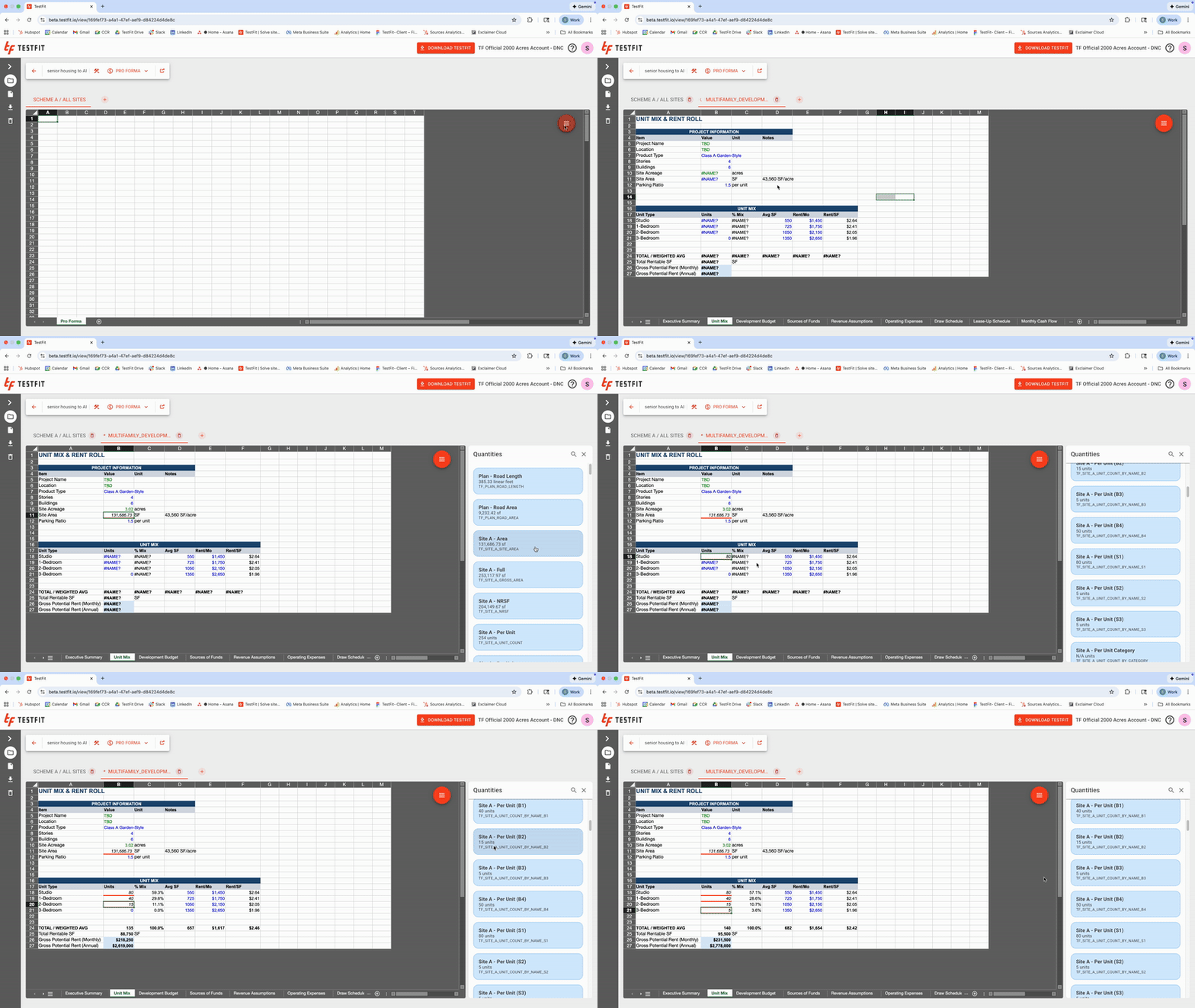
In addition to automatic quantity takeoff and cost modeling, you can now get a complete pro forma inside TestFit. But instead of replacing your trusted spreadsheet, we connected it.
With this release, you can apply a default pro forma pre-populated with data pulled directly from your TestFit model, and that data stays live as the design changes.
You can also import your own Excel pro forma, preserving your existing assumptions and structure while keeping financials connected to the model. The result is a single source of truth between design and financial analysis.
For developers, this means fewer broken spreadsheets and more confidence in early numbers. For architects, it’s a clearer way to show clients that they understand the financial side of feasibility.
Retail Updates
Create and Customize Retail Prototypes
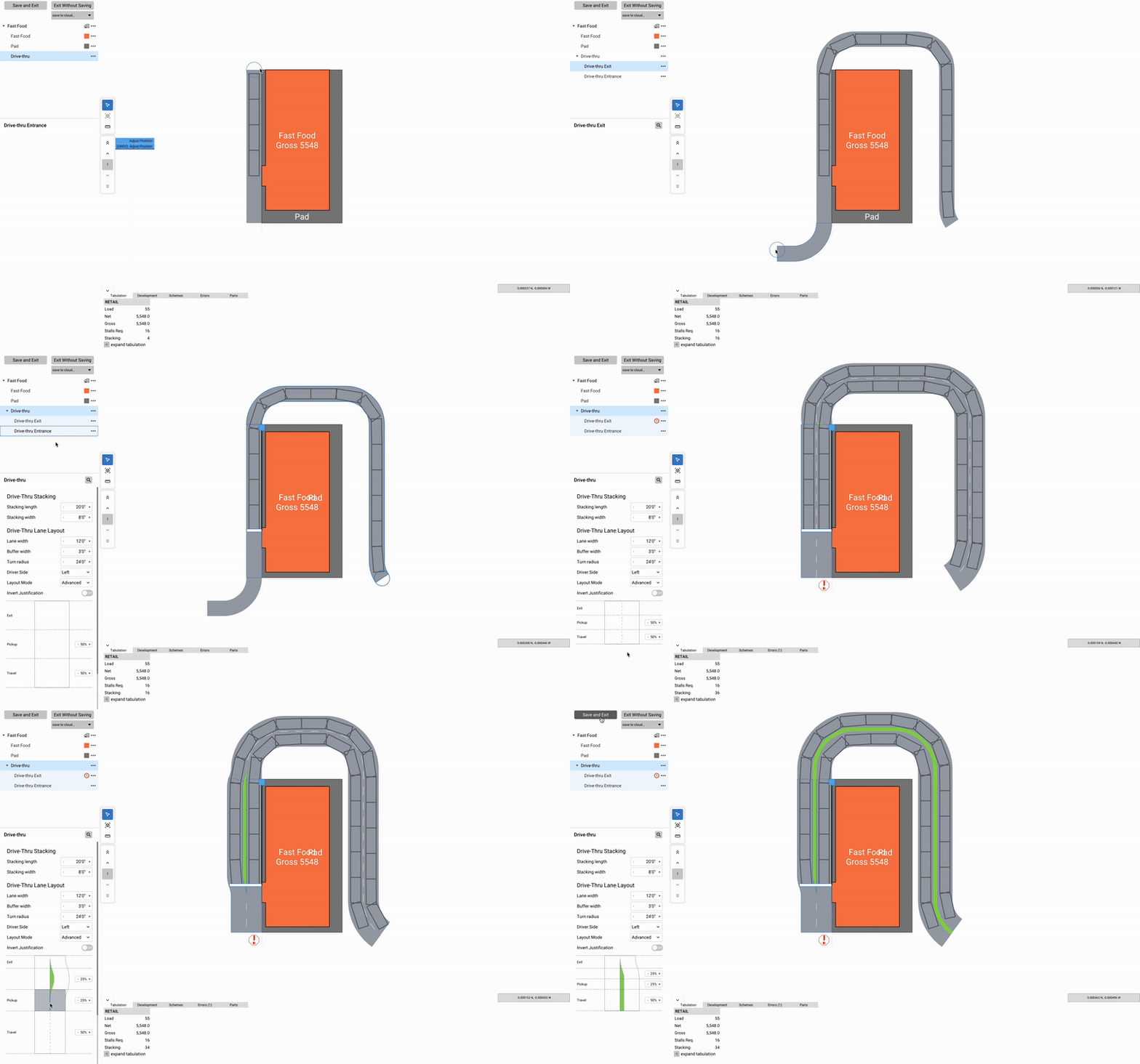
Similar to the industrial building editor, we’re introducing the first version of the retail building editor, built for retail brands and developers who rely on prototypical buildings.
Instead of recreating retail building templates in CAD over and over again, you can now create and edit retail buildings in a dedicated library within TestFit. This allows you to customize prototype layouts to meet your standards, save the layouts to a single library, and then share them across your teams.
Real-Time Insights into Design and Cost
For real estate feasibility studies, the ultimate goal is to get to financial feasibility. But that process can sometimes break down when tools don’t talk to each other. Every step of the process, from design standards to financial model, introduces friction and risks to the deal.
That’s why we focused on keeping everything connected: pro forma that stay in sync and a more scalable way to manage retail building prototypes. The goal isn’t just better models; it’s better decisions, made earlier, with data that you can actually trust.
Watch a Quick Overview: